Key Takeaways
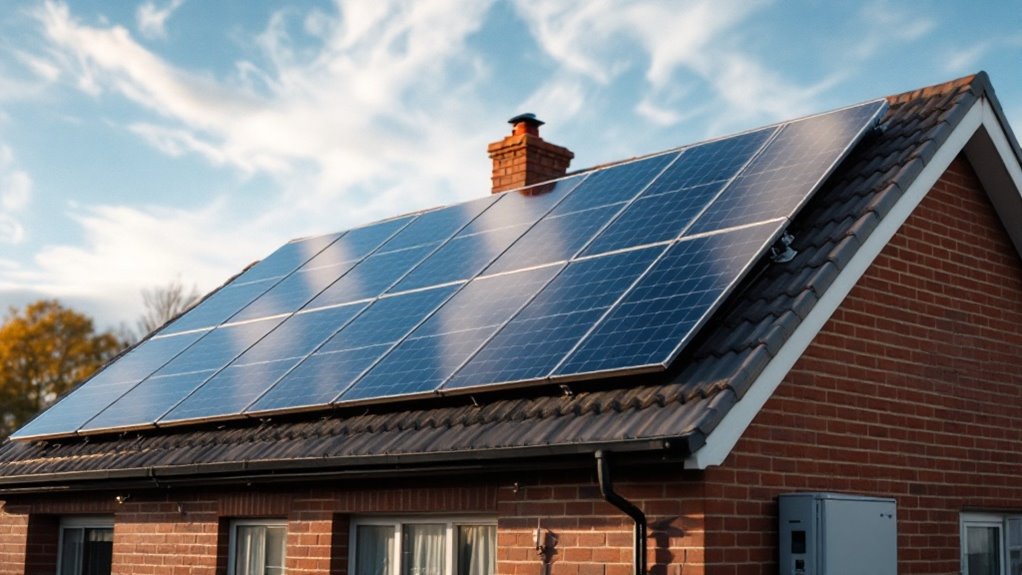
- Solar panels consist of silicon cells protected by glass casing and aluminum frame, designed to capture sunlight for energy production.
- When sunlight hits the silicon cells, it creates an electric charge through the photovoltaic effect, generating direct current electricity.
- An inverter converts the direct current (DC) electricity from panels into alternating current (AC) for household use.
- Standard residential solar panels produce about 2 kilowatt-hours daily, with most panels rated between 370-400 watts per hour.
- Solar panel efficiency depends on location, installation quality, sun exposure, and regular maintenance to ensure optimal performance.
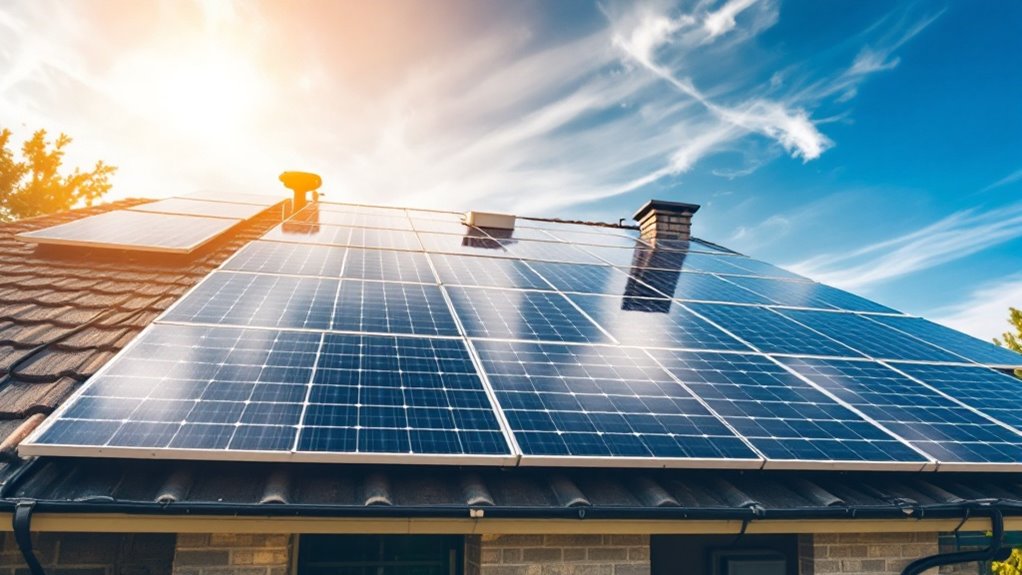
While solar panels have become increasingly common on rooftops worldwide, many people don't fully understand how these remarkable devices convert sunlight into usable electricity. At their core, solar panels consist of silicon solar cells protected by a durable glass casing and an aluminum frame, which work together to harness the sun's energy through a process called the photovoltaic effect. These cells contain layers of silicon treated with phosphorus, creating the perfect environment for generating electrical charges when exposed to sunlight.
You'll find that the process of converting sunlight to electricity begins when photons hit the solar cells, creating an electric charge through their interaction with the silicon wafers. The standard 12V wire and bus wire within the panel then collect and channel this electricity, which starts as direct current (DC). Since your home appliances typically run on alternating current (AC), an inverter transforms the DC electricity into usable AC power for your residential needs.
The efficiency of your solar panel system depends on several crucial factors that influence its performance. Under ideal conditions, a single panel can produce approximately 2 kilowatt-hours of electricity daily, with most panels rated between 370 and 400 watts per hour. You'll get the best results from monocrystalline panels, which offer superior efficiency compared to their polycrystalline and thin-film counterparts. The amount of direct sunlight your panels receive, often measured in peak sun hours, plays a vital role in determining your system's output.
Your panel's performance will vary based on your geographical location, installation conditions, and local weather patterns. The positioning of your panels, the condition of your roof, and even the age of the system can significantly impact electricity generation. Modern technological advances, such as PERC and half-cut cells, have improved panel efficiency, allowing you to generate more power from a smaller surface area.
To protect your investment and ensure optimal performance, manufacturers encase the sensitive components in protective layers. The glass casing shields the silicon cells from environmental damage, while the acrylic or plexiglass sheet helps reduce internal humidity. These protective elements, combined with the sturdy aluminum frame, enable your solar panels to withstand various weather conditions while maintaining their efficiency over time. With proper installation and maintenance, you can expect your solar panel system to reliably convert sunlight into clean, renewable electricity for your home for many years to come.